
Wire Rope Inspection: What to Check – A Small Inspection That Prevents Big Failures
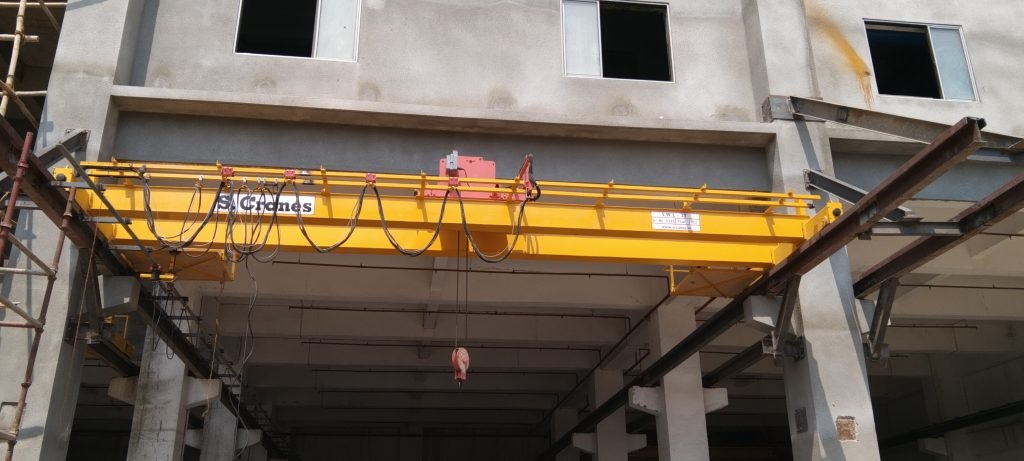
The wire rope is one of the most critical components of any Overhead Crane, Goliath Crane, or Hoist.
It carries the entire lifting load, operates under continuous stress, and experiences wear every time the crane is used.
Yet, in many industries, wire ropes are only replaced after visible failure occurs.
A proper wire rope inspection not only improves safety but also reduces unexpected downtime, costly repairs, and the risk of serious accidents.
Let’s understand the key areas every operator and maintenance team should inspect.
1. Broken Wires
One of the first signs of deterioration is broken individual wires.
Inspect the entire rope carefully and look for:
- Multiple broken wires close together
- Broken wires near end connections
- Broken wires around sheaves or drums
- Sharp wire ends sticking out
A few isolated broken wires may be acceptable depending on the applicable standard and the rope manufacturer’s recommendations, but clusters of broken wires indicate that the rope is approaching the end of its service life. Refer to recognized inspection criteria and the guidance in ISO 4309 – Cranes: Wire Ropes, Care, Inspection & Discard Criteria.
2. Corrosion
Corrosion gradually weakens the steel wires from both the outside and inside.
Look for:
- Rust formation
- Pitting
- Discoloration
- Flaking metal
Corrosion is particularly common in:
- Coastal areas
- Chemical plants
- Humid environments
- Outdoor crane installations
Even when the rope appears intact externally, internal corrosion may significantly reduce its strength.
3. Kinks, Bird caging & Crushing
Mechanical damage is often more dangerous than normal wear.
Inspect for:
- Kinks
- Bird caging (strands opening outward)
- Crushing
- Flattened sections
- Unstringing
- Core protrusion
These defects permanently damage the rope structure and usually require immediate replacement rather than repair.
4. Rope Diameter Reduction
Measure the rope diameter at regular intervals.
A noticeable reduction may indicate:
- Internal core failure
- Excessive wear
- Internal corrosion
- Metal fatigue
Comparing measurements with the original rope diameter helps detect deterioration before visible failure occurs. ISO 4309 provides guidance on evaluating diameter reduction and discard criteria
5. Lubrication Condition
A well-lubricated wire rope lasts significantly longer.
Check whether:
- The rope appears dry
- Lubrication has hardened
- Dirt has accumulated
- Rust is forming beneath old lubricant
Proper lubrication:
- Reduces internal friction
- Prevents corrosion
- Minimizes wear
- Extends service life
Avoid excessive or unsuitable lubricants that can hide defects during inspections.
6. End Connections
Never inspect only the rope.
Also examine:
- Wedge sockets
- Thimbles
- Ferrules
- Rope clamps
- Drum anchoring points
Look for:
- Loose fittings
- Cracks
- Corrosion
- Wear
- Improper installation
Many rope failures begin at the end connections rather than the rope itself.
7. Sheaves and Drum Condition
A perfectly good wire rope can wear out quickly if the supporting components are damaged.
Inspect:
- Sheave grooves
- Drum grooves
- Groove alignment
- Sharp edges
- Uneven wear
Damaged sheaves increase rope bending stress and accelerate deterioration.
8. Inspection Frequency
Wire ropes should never be inspected only when problems appear.
A good inspection program typically includes:
- Daily visual checks before operation
- Regular documented inspections
- Comprehensive inspections by a qualified person
- Immediate inspection after overloads, impact loading, or unusual operating conditions
Inspection frequency should be based on usage, operating environment, and applicable regulations or standards. OSHA requires visual inspections before each shift and more comprehensive periodic inspections.
The Cost of Ignoring Wire Rope Inspection
Neglecting routine inspections can lead to:
- Unexpected wire rope failure
- Crane downtime
- Product damage
- Expensive emergency repairs
- Serious safety incidents
- Reduced crane reliability
A wire rope is relatively inexpensive compared to the cost of an accident or prolonged production stoppage.
Final Thoughts
Wire rope inspection is not simply a maintenance task—it’s a critical part of safe crane operation.
Regular inspections help identify wear before it becomes a failure, extend equipment life, improve reliability, and protect both personnel and assets.
At S Crane Engineering Works, we believe preventive maintenance is the most cost-effective maintenance. Our team can assist with crane inspections, wire rope evaluations, maintenance services, and recommendations based on your operating conditions.
Need expert guidance on crane maintenance or wire rope inspection?
Contact S Crane Engineering Works for professional inspection support and maintenance solutions tailored to your application.