
Information Required Before Buying a Crane – Are You Asking the Right Questions?
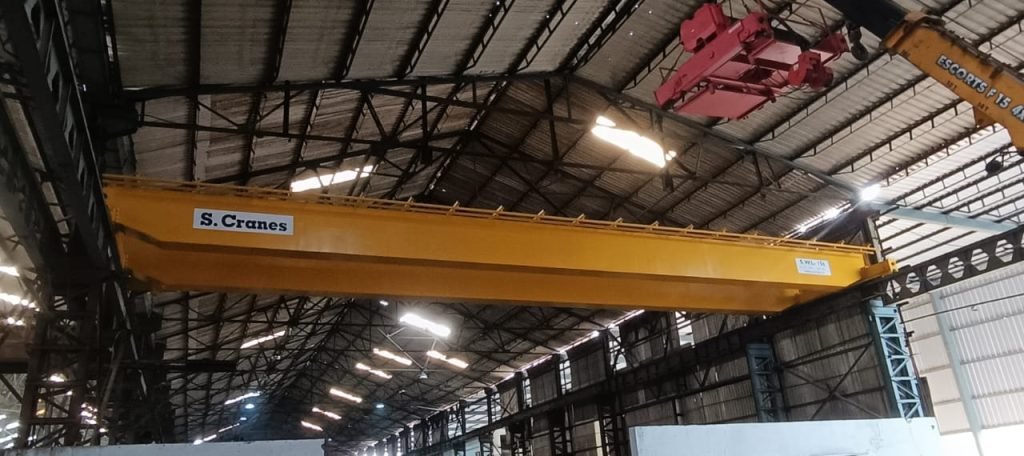
Planning to purchase an Overhead Crane, Goliath Crane, JIB Crane, or Underslung Crane?
Have you ever wondered why crane manufacturers ask so many technical questions before submitting a quotation?
Questions like:
- What capacity do you require?
- What is the span of the crane?
- What is the lift height?
- What material will be handled?
- How many hours will the crane operate?
- Is the crane to be installed indoors or outdoors?
Many buyers feel these are just formalities.
In reality, these details determine whether your crane will perform efficiently, safely, and reliably for years to come.
Providing incomplete or inaccurate information can result in selecting the wrong crane, leading to higher costs, production delays, and unnecessary maintenance.
So, what information should you keep ready before purchasing a crane?
- Safe Working Load (SWL) / Lifting Capacity
The first and most important requirement is the maximum weight the crane will lift.
Ask yourself:
- What is the heaviest load?
- Will lifting accessories such as slings, lifting beams, grabs, magnets, or fixtures also be used?
Remember:
Crane Capacity = Maximum Load + Weight of Lifting Accessories
Choosing a lower capacity to reduce the purchase cost can create serious safety and operational issues.
- Span of the Crane
The span is the distance between the crane runway rails or supporting columns.
This dimension determines:
- Crane bridge design
- Structural strength
- Wheel loads
- Cost of the crane
An accurate span measurement is essential for proper crane design and installation.
- Lift Height
Lift height refers to the vertical distance the hook needs to travel.
Before deciding, ask:
- How high does the load need to be lifted?
- Is there sufficient headroom available?
- Are there any roof beams, ducts, pipelines, or other obstructions?
Proper lift height ensures maximum utilization of your workspace without compromising safety.
- Bay Length and Travel Distance
How far will the crane need to travel?
Providing the building length helps determine:
- Long travel arrangement
- Rail requirements
- Cable management systems
- Electrical power supply arrangement
This allows the manufacturer to design the crane for smooth and efficient operation.
- Nature of the Material Being Lifted
Different materials require different lifting solutions.
Examples include:
- Steel coils
- Fabrication components
- Machinery
- Pipes
- Moulds
- Containers
- Scrap
- Chemicals
- Finished products
Certain applications may require specialized lifting attachments such as magnets, grabs, vacuum lifters, or custom lifting beams.
- Frequency of Operation (Duty Class)
Not every crane performs the same amount of work.
Consider:
- How many lifting cycles occur every hour?
- How many shifts operate each day?
- Is the crane used occasionally or continuously?
Duty classification directly influences the selection of motors, gearboxes, brakes, electrical components, and the overall life of the crane.
- Indoor or Outdoor Installation
The working environment significantly affects crane design.
Outdoor cranes may require:
- Rain protection
- Wind locking devices
- Weatherproof electrical panels
- Corrosion-resistant paint systems
- Higher IP-rated electrical equipment
Indoor cranes have different design requirements and operating conditions.
- Power Supply Availability
Before manufacturing begins, the crane supplier needs details of the available electrical supply.
Typical information includes:
- Voltage
- Phase
- Frequency
Providing accurate electrical details ensures compatibility and smooth commissioning.
- Working Environment
Environmental conditions play an important role in crane selection.
Examples include:
- High temperatures
- Dusty environments
- Humid conditions
- Chemical exposure
- Hazardous areas
- Coastal locations
Special materials, coatings, and electrical protection may be required depending on the application.
- Future Expansion Plans
Many industries grow over time.
Ask yourself:
- Will heavier loads be handled in the future?
- Is production expected to increase?
- Will additional bays be added later?
Discussing future requirements during the planning stage can save substantial modification costs later.
Why Does the Manufacturer Ask So Many Questions?
Every crane is designed around its application.
A professional crane manufacturer does not simply sell a crane—they engineer a lifting solution.
The more accurate the information provided, the better the manufacturer can optimize:
- Safety
- Performance
- Reliability
- Equipment life
- Maintenance costs
- Overall investment
Final Thoughts
Buying an overhead crane is not just about choosing a lifting capacity or comparing prices. It is about understanding your operational requirements and ensuring the crane is designed specifically for your application. Providing complete technical information before requesting a quotation helps avoid costly mistakes, improves project timelines, and ensures your crane delivers reliable performance for years. At S Crane Engineering Works, every crane is engineered after carefully understanding the customer’s application, operational requirements, and future growth plans. This approach enables us to deliver safe, efficient, and reliable lifting solutions that maximize productivity while minimizing downtime and maintenance costs.