
Crane Terms Explained: SWL, Span, Lift & CCD – A Simple Guide for Buyers and Engineers
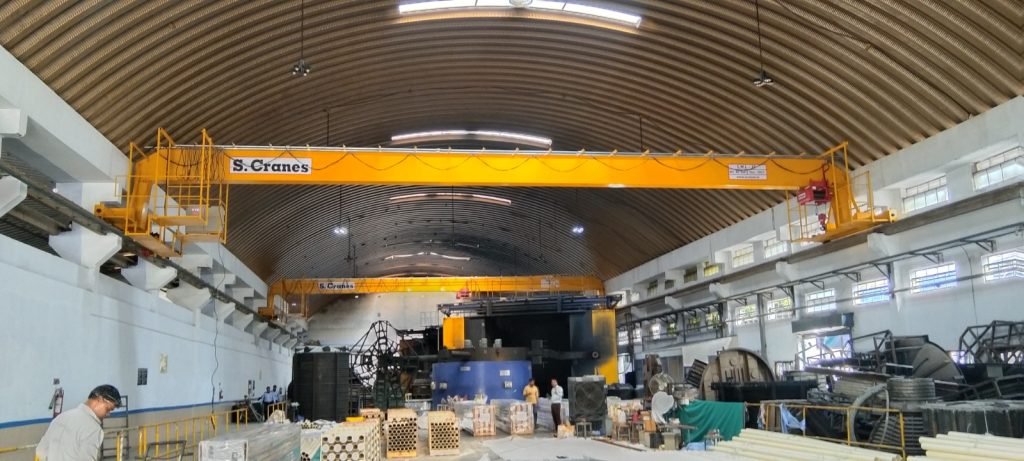
If you’re purchasing an EOT Crane, Gantry Crane, or Wire Rope Hoist, you’ve probably come across technical terms like SWL, Span, Lift, and CCD. While these terms may seem confusing initially, they are among the most important specifications that determine a crane’s performance, safety, and suitability for your application.
Understanding these terms helps you choose the right crane, avoid costly mistakes, and communicate more effectively with manufacturers and engineers.
At S. Cranes, we believe that informed customers make better decisions. This guide explains these essential crane terms in simple language.
Why Understanding Crane Terminology Matters
Selecting a crane isn’t just about lifting capacity. Several technical parameters determine whether a crane will fit your building, operate safely, and handle your production requirements efficiently.
Incorrect specifications can result in:
- Reduced lifting efficiency
- Increased installation costs
- Safety risks
- Equipment damage
- Expensive modifications later
Let’s understand the four most common crane terms.
- SWL (Safe Working Load)
SWL (Safe Working Load) refers to the maximum load that a crane can safely lift under normal operating conditions.
For example:
- 5 Ton EOT Crane = SWL of 5 Tons
- 10 Ton Gantry Crane = SWL of 10 Tons
- 25 Ton Double Girder Crane = SWL of 25 Tons
The SWL is determined during the crane’s design process and should never be exceeded.
Why is SWL Important?
Operating beyond the Safe Working Load can cause:
- Structural deformation
- Wire rope failure
- Brake failure
- Motor overload
- Gearbox damage
- Crane collapse in extreme cases
Best Practice
Always select a crane with the correct SWL based on your maximum lifting requirements rather than operating continuously at its maximum capacity.
- Span
The Span is the horizontal distance between the centerlines of the two crane rails on which the crane travels.
In simple terms, it is the width of the crane’s travel path inside your building.
For example:
If your workshop has crane rails installed 20 meters apart, the crane span will be approximately 20 meters.
Why Span Matters
The span determines:
- Crane bridge length
- Structural design
- Load distribution
- Building compatibility
- Wheel load calculations
Incorrect span measurements can lead to installation problems and expensive modifications.
Best Practice
Always measure the center-to-center distance between the crane rails before finalizing the crane design.
- Lift (Lifting Height)
Lift, also known as Lifting Height, refers to the vertical distance the hook can travel from its lowest position to its highest safe position.
For example:
- Lift = 6 meters
- Lift = 9 meters
- Lift = 12 meters
A higher lift allows materials to be raised to greater heights.
Why Lift Matters
Choosing the wrong lifting height can:
- Limit operational flexibility
- Prevent loading on higher platforms
- Reduce warehouse storage efficiency
On the other hand, selecting an unnecessarily high lift may increase project costs.
Best Practice
Determine the maximum height your load must reach before selecting the crane.
- CCD (Crane Clearance Dimension)
CCD (Crane Clearance Dimension) refers to the minimum clearance required between the crane and the surrounding building structure or obstacles to ensure safe operation.
It helps engineers verify that the crane can move freely without interfering with:
- Roof structures
- Columns
- Walkways
- Lighting fixtures
- Piping
- HVAC ducts
CCD plays a critical role during crane layout planning and installation.
Why CCD Matters
Incorrect clearance dimensions can result in:
- Installation difficulties
- Structural interference
- Limited hook travel
- Safety hazards
- Increased maintenance challenges
Best Practice
Always share your building drawings with the crane manufacturer so proper clearance calculations can be made.
Quick Summary of Crane Terms
Term | Meaning | Why It Matters |
SWL | Safe Working Load | Maximum safe lifting capacity |
Span | Distance between crane rails | Determines crane size and building compatibility |
Lift | Vertical hook travel | Determines lifting height |
CCD | Crane Clearance Dimension | Ensures safe installation and operation |
Common Mistakes While Selecting a Crane
Many buyers focus only on lifting capacity while overlooking other critical specifications.
Common mistakes include:
- Selecting an incorrect span
- Underestimating lifting height
- Ignoring crane clearances
- Choosing the wrong duty classification
- Not considering future production expansion
Working with an experienced crane manufacturer helps avoid these costly errors.
How S. Cranes Helps You Select the Right Crane
At S. Cranes, our engineering team assists customers in selecting cranes that perfectly match their operational and structural requirements.
Our services include:
- EOT Crane Manufacturing
- Double Girder Cranes
- Single Girder Cranes
- Gantry Cranes
- Jib Cranes
- Electric Wire Rope Hoists
- Crane Health Check-Ups
- Annual Maintenance Contracts (AMC)
- Crane Modernization
- Installation & Commissioning
- Spare Parts & Repairs
Our goal is to deliver safe, efficient, and reliable material handling solutions that maximize productivity.
Frequently Asked Questions (FAQ)
What does SWL mean in a crane?
SWL stands for Safe Working Load, which is the maximum weight a crane can safely lift during normal operation.
What is the difference between Span and Lift?
Span is the horizontal distance between crane rails, while Lift refers to the vertical distance the crane hook can travel.
Why is CCD important?
CCD ensures that sufficient clearance exists between the crane and surrounding structures, preventing interference and ensuring safe operation.
Can I increase my crane’s SWL later?
Increasing a crane’s Safe Working Load usually requires a complete engineering assessment and structural modifications. It should never be attempted without approval from the manufacturer.
Conclusion
Understanding crane terminology such as SWL, Span, Lift, and CCD helps you choose the right equipment, improve workplace safety, and avoid expensive design mistakes. Whether you’re planning a new installation or upgrading an existing crane, these specifications play a vital role in ensuring reliable performance.
If you’re looking for expertly engineered EOT Cranes, Gantry Cranes, Wire Rope Hoists, or professional Crane Consultation Services, S. Cranes is here to help. With decades of industry experience, we provide customized material handling solutions tailored to your operational needs.